
It went almost unnoticed. The European Parliament posted a chart of smoking rates across the bloc, and for the first time a major EU institution put it in writing: Sweden has reached the smoke-free target. Sweden sits alone at the bottom of the chart, the first member state under the 5 per cent threshold, fifteen years before the 2040 deadline. The EU average is stuck at 24 per cent.
That is a remarkable admission, because it points straight at how Sweden did it. And the answer is everything Brussels keeps fighting.
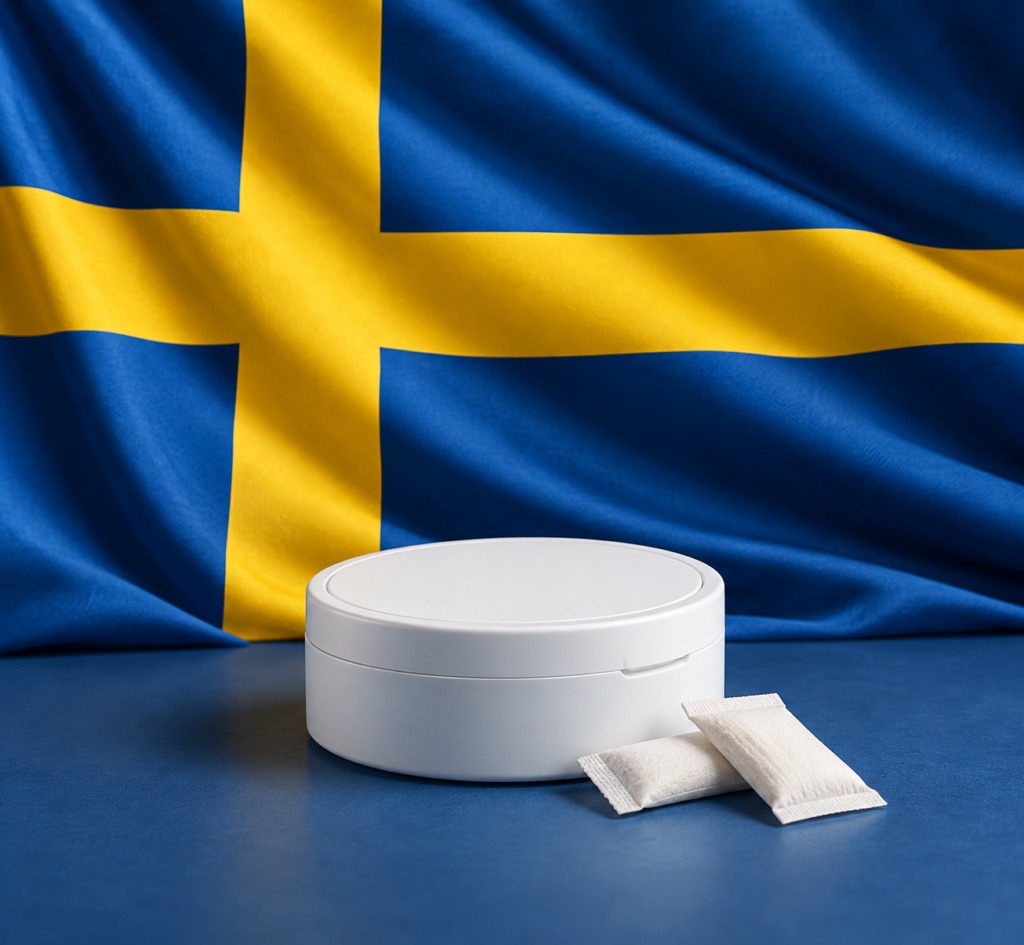
Sweden did not get there through bans or punitive taxes. It got there by letting smokers swap cigarettes for something better. Snus for decades, then tobacco-free nicotine pouches. Pouches deliver nicotine without fire. No smoke, no tar, no carbon monoxide. The latest national figures put daily smoking even lower than the EU chart, at 3.7 per cent. The health payoff is just as clear: 41 per cent fewer cancer cases and 44 per cent lower tobacco-related mortality que la media de la UE.
So the EU now recognises the result while refusing to learn from the method. Worse, it is working against it. The Commission has declared, as official policy, that safer nicotine alternatives are as harmful as cigarettes. France, Belgium and the Netherlands have banned them. Brussels wants to tax them across the bloc at more than half their retail price.
Sweden is refusing to let its own success be dismantled. Swedish consumers are backing the Swedish way through Den Svenska Succén, where more than 9,300 people have signed the petition. Through our Protect Pouches campaign, we are carrying that message across Europe.
The EU chart says it plainly. Sweden won. The only question left is whether Brussels copies what works or keeps banning it.

 ES
ES  EN
EN  UK
UK  FR
FR  DE
DE  SV
SV